
Tuesday, February 19, 2008


Sunday, September 30, 2007

Friday, September 28, 2007


Wednesday, September 19, 2007


Thursday, August 02, 2007

Tuesday, May 22, 2007

Wednesday, April 18, 2007


Sunday, February 18, 2007


Friday, February 16, 2007

Wednesday, February 14, 2007

Tuesday, January 02, 2007
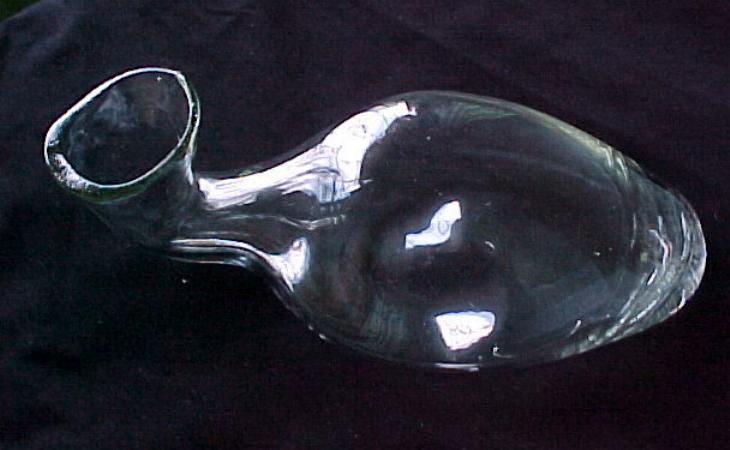
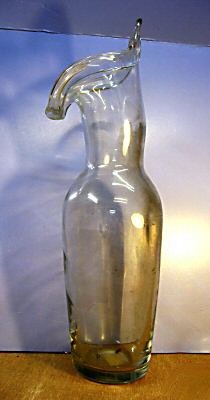
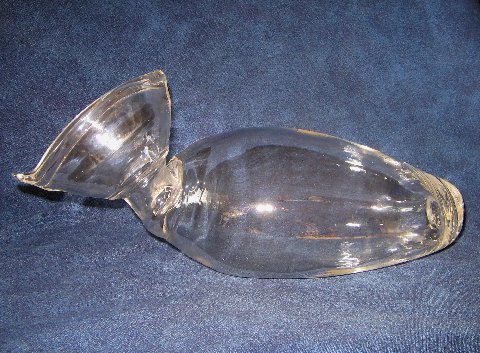
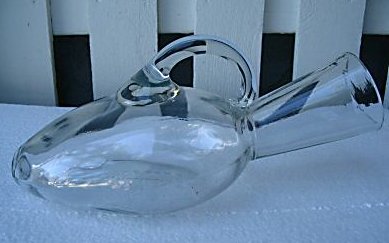
antique urinal UK (1701-1730)

The only bad thing about this urinal is that it is not in my possession but in an English Museum.
Saturday, December 02, 2006


Friday, November 24, 2006
Wednesday, November 22, 2006
Sunday, November 19, 2006
Friday, November 17, 2006
Monday, November 13, 2006
Sunday, November 12, 2006

Saturday, November 11, 2006
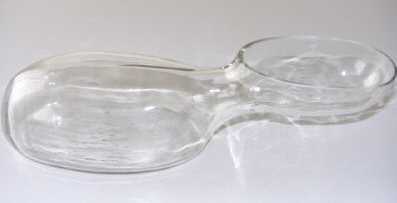
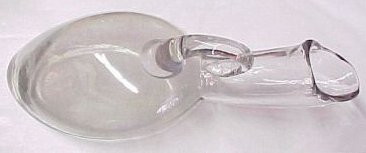
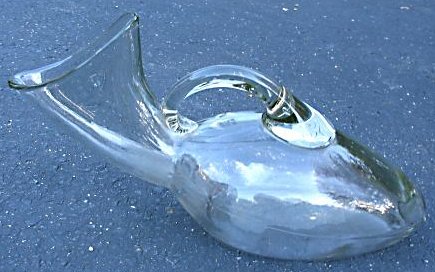
antique urinal UK (18th century)
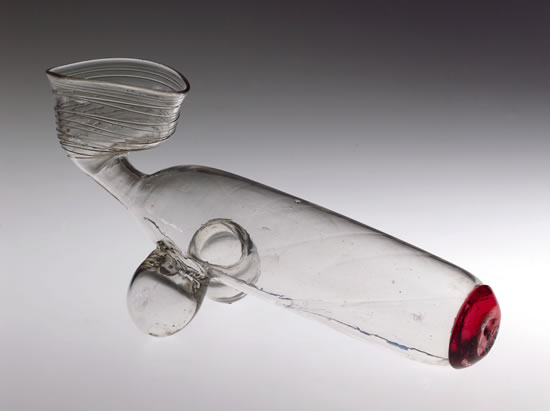
The only bad thing about this urinal is that it is not in my possession but in an English Museum.
Tuesday, November 07, 2006


Thursday, October 12, 2006
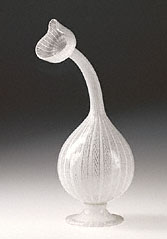
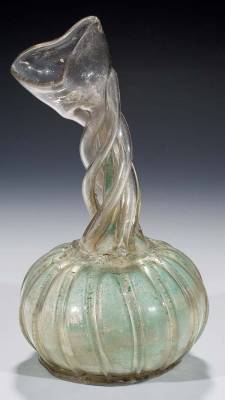

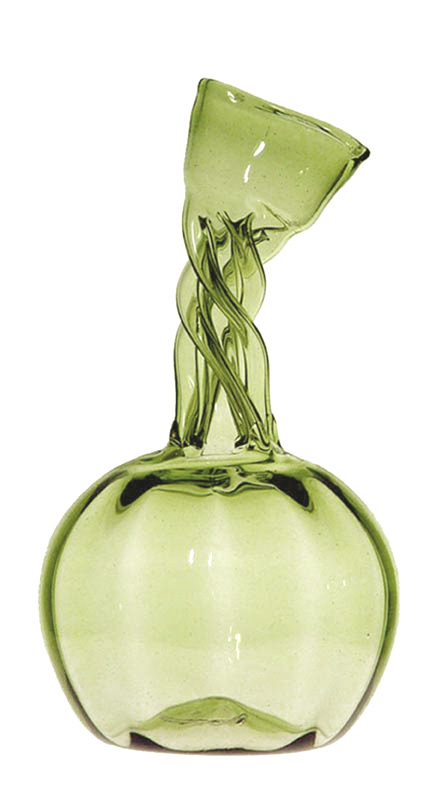
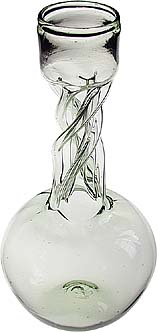
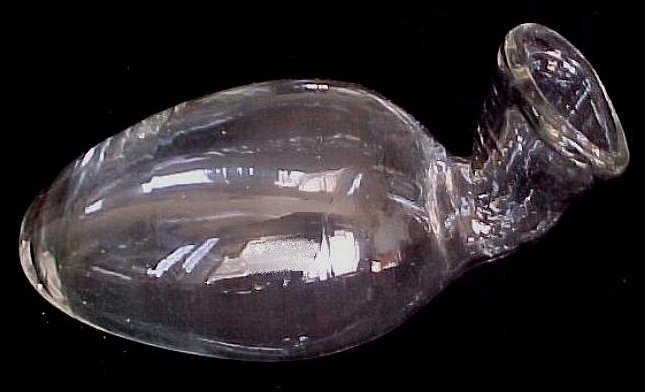
antique urinal Italy (17th century)
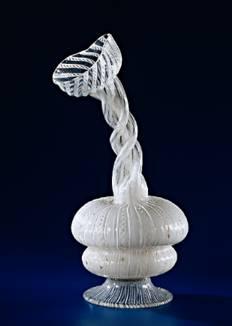
The only bad thing about this urinal is that it is not in my possession.
The first half of the 17th century saw a revolution in glassmaking, sparked by the inventions of Venetian craftsmen, who changed the very nature of glassware from a heavy, rigid structure to a frothy magnificence which has never been equaled. The new free-blowing process and the use of soda glass resulted in exquisitely delicate masterpieces like the one shown here. Venetian blown pieces blossomed like airy flowers, the thin walls of goblets and vases glorifiying the intrinsic qualities of the glass itself.
The subject piece is believed to have been commissioned by the Duke of Venice to spare himself and the Duchess the necessity of using outhouses during the long winter nights. Venetian outhouses, unless firmly anchored, tended to move about with the tides, leading to frequent mishaps and the occasional drowning, even among the aristocracy.
A special feature of this particular piece is that liquid moving through the tiny glass tubes at different rates and dripping into the bowl below provides a pleasant selection from Georg Philipp Telemann's Water Music.
Glassworkers in Venice had a relatively short career span. Constant close-up exposure to red-hot glass over the years caused them to eventually lose their sight. Contemporary paintings show these poor wretches in workhouses, where they were taught to assemble the slatted window coverings that have become their only memorial.
(Shamelessly copied from http://www.dearauntnettie.com/gallery/museum-urinal.htm)
The first half of the 17th century saw a revolution in glassmaking, sparked by the inventions of Venetian craftsmen, who changed the very nature of glassware from a heavy, rigid structure to a frothy magnificence which has never been equaled. The new free-blowing process and the use of soda glass resulted in exquisitely delicate masterpieces like the one shown here. Venetian blown pieces blossomed like airy flowers, the thin walls of goblets and vases glorifiying the intrinsic qualities of the glass itself.
The subject piece is believed to have been commissioned by the Duke of Venice to spare himself and the Duchess the necessity of using outhouses during the long winter nights. Venetian outhouses, unless firmly anchored, tended to move about with the tides, leading to frequent mishaps and the occasional drowning, even among the aristocracy.
A special feature of this particular piece is that liquid moving through the tiny glass tubes at different rates and dripping into the bowl below provides a pleasant selection from Georg Philipp Telemann's Water Music.
Glassworkers in Venice had a relatively short career span. Constant close-up exposure to red-hot glass over the years caused them to eventually lose their sight. Contemporary paintings show these poor wretches in workhouses, where they were taught to assemble the slatted window coverings that have become their only memorial.
(Shamelessly copied from http://www.dearauntnettie.com/gallery/museum-urinal.htm)




Subscribe to:
Posts (Atom)
